English| EUR
Suggested for you
More currencies
Choose a language
The question of a direct ferry between Dubrovnik and Kotor turns on seasonal service, private operators, and the geography of the Adriatic coast. While no year-round public ferry connects the two cities, summer routes and private charters make the journey possible. This guide covers what runs, when, and how to complete the onward leg to Budva.
Quick answer
There is no year-round scheduled public ferry from Dubrovnik to Kotor, but seasonal passenger services operate during the summer months, typically from late May through September. Private boat operators and excursion companies also offer the route on request. Once in Kotor, Budva lies 20 kilometers south and is accessible by bus or taxi. The Port of Budva itself does not receive international ferry traffic, so all maritime arrivals to the region route through Kotor or Bar.
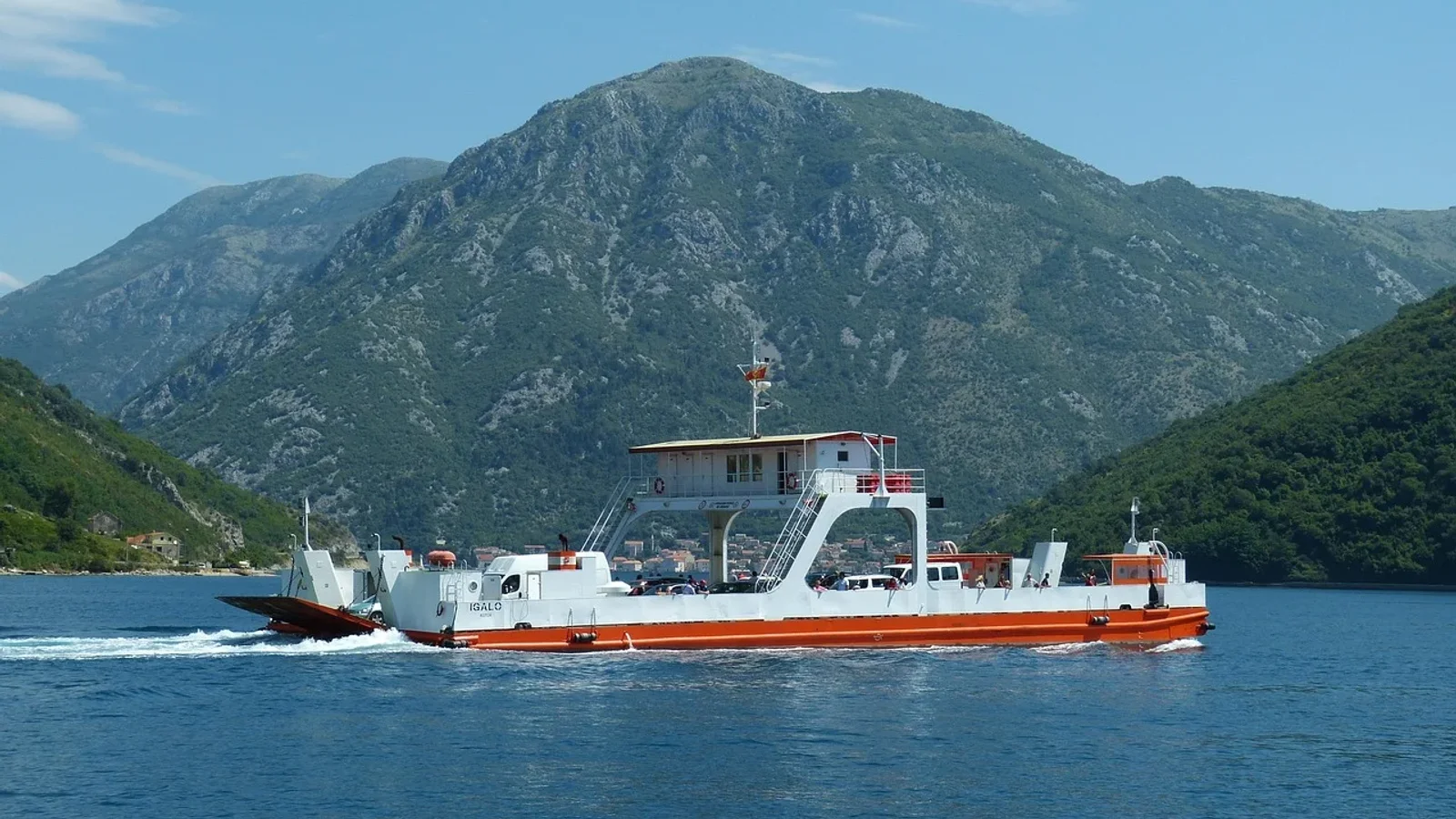
The Bay of Kotor remains one of the Adriatic's most dramatic fjord-like inlets, and the lack of a permanent ferry link between Dubrovnik and Kotor surprises many travelers expecting a straightforward coastal hop. The two cities sit fewer than 90 kilometers apart by sea, yet the absence of daily scheduled service reflects both the border crossing between Croatia and Montenegro and the relatively small passenger volumes outside peak tourist months. During the summer season, a handful of operators run passenger ferries or fast catamarans on the route, often marketed as day-trip excursions rather than pure transport. These services typically depart Dubrovnik's Gruž port in the morning, arrive in Kotor by midday, and return in the late afternoon. Travelers planning to continue south to Budva can disembark in Kotor and proceed overland—the coastal road hugs the bay before opening onto the Budva Riviera, and the journey takes roughly 30 minutes by bus or 20 minutes by taxi. Private boat charters represent a second option, particularly for groups or travelers with flexible schedules. Several Dubrovnik-based operators maintain speedboats or small yachts available for hire, and the crossing takes between 60 and 90 minutes depending on vessel type and sea conditions. This route offers the advantage of direct timing and, for those willing to negotiate, the possibility of arranging a drop at alternative points along the Montenegrin coast. Bar, Montenegro's primary international ferry port, lies 60 kilometers south of Budva and receives regular car-ferry service from Bari and Ancona in Italy. Travelers arriving by ferry from Italy often find it simpler to sail into Bar and drive or bus north to Budva, bypassing the Dubrovnik-Kotor question entirely. The Port of Budva functions primarily as a marina and tender point for cruise ships, not a scheduled ferry terminal, so those expecting direct international arrivals should plan accordingly. For travelers committed to the Dubrovnik-Kotor maritime route, advance booking is essential during July and August, when both day-trip ferries and private charters fill quickly. Outside the summer window, overland travel via the Croatian and Montenegrin border crossings becomes the default, though the coastal bus ride between Dubrovnik and Budva—while longer at roughly three hours—delivers the same clifftop views the ferry would have offered.
“The Bay of Kotor remains one of the Adriatic's most dramatic fjord-like inlets, and the lack of a permanent ferry link between Dubrovnik and Kotor surprises many travelers expecting a straightforward coastal hop.”
There is no direct ferry service connecting Dubrovnik to Kotor or Budva. Travelers must rely on land-based transit options to cross the border between Croatia and Montenegro.
Libertas Dubrovnik or regional carriers from Dubrovnik Main Bus Station to Budva
D8 coastal road via border crossing at Karasovići
Private transfer via D8 and E80
Aim to arrive at the Port of Budva, Budva, Montenegro, between 06:00–18:00 to ensure the best visibility for coastal scenery during the final leg of your journey.
As there is no direct ferry service between Dubrovnik and Kotor or Budva, travelers must choose between bus transport and private transfers to cross the border. This comparison highlights the practical differences to help you select the most efficient route for your journey.
| Bus Travel Public Transport | Private Transfer Direct Vehicle Recommended | |
|---|---|---|
| Border Crossing Efficiency | High wait times for passenger processing | Priority handling for individual vehicles |
| Travel Duration | 3 to 5 hours depending on border traffic | 2.5 to 4 hours with fewer stops |
| Flexibility | Fixed departure schedules | Door-to-door service on your own timeline |
| Cost Level | Lower per-passenger expense | Higher total vehicle investment |
| Comfort | Shared cabin environment | Private climate-controlled vehicle |
Verdict: Choose the bus for a budget-friendly transit option, or select a private transfer for maximum flexibility and time efficiency when crossing the border.
The most effective time for transit between Dubrovnik and Montenegro occurs during the shoulder seasons of May, June, September, and October to avoid peak tourist traffic. Prioritizing travel during the best arrival window of 06:00–18:00 ensures clear daylight for navigating the coastal route.
Hot and dry, 25°C–32°C
Expect significant wait times at border crossings due to high tourism volumes. Plan departures early to mitigate delays.
Mild, 18°C–25°C
Road conditions are manageable and border wait times are shorter. These months offer a balance of favorable weather and lower road density.
Cool and rainy, 8°C–15°C
Roads are quiet, though winter weather can impact driving speeds. Check local forecasts for potential rain or wind disruptions.
—
Departing early on weekdays helps bypass commuter traffic and midday tourist movements. This timing optimizes the transit duration through the border checkpoints.
Verdict: The best time to travel is Tuesday to Thursday during the shoulder months of May or October, ideally departing in the early morning to clear border crossings efficiently.
The Port of Budva operates daily to accommodate travelers arriving by land. The facility maintains continuous access throughout the week.
The Port of Budva serves as a functional maritime transit point rather than a tourist attraction. Consequently, there are no admission fees required to enter or access the port area.
Verdict: There is no admission fee for the Port of Budva, as it operates exclusively as a transit facility.
Everything you need to know about is there a ferry from dubrovnik to kotor
Yes, there is a seasonal ferry service connecting Dubrovnik and the Bay of Kotor. This maritime link operates primarily during the summer months, providing an alternative to overland transit. Schedules vary by operator and demand, typically running a few times per week rather than daily. Travelers interested in whether is there a ferry from dubrovnik to kotor should check specific weekly timetables in advance. The transit duration is generally between 2.5 and 3 hours, depending on sea conditions and vessel type. This timeframe is often more consistent than road travel, which can be affected by significant border traffic. Ferries depart from the Port of Gruž, which serves as the primary passenger terminal for Dubrovnik. You can reach the terminal via local buses, taxis, or the airport shuttle, making it an accessible boarding point. While some services connect directly to Kotor, many coastal maritime routes also offer access to Budva, another major destination in Montenegro. Confirming your arrival port is essential when researching is there a ferry from dubrovnik to kotor or nearby coastal landmarks. Travelers often choose the ferry for the panoramic Adriatic views and the ability to avoid congested road borders. For those still asking is there a ferry from dubrovnik to kotor, sea travel is frequently cited as the most comfortable option for a scenic coastal excursion. Yes, as you are crossing between Croatia and Montenegro, you must have valid travel documents ready for border control upon arrival. Ensure your passport and any necessary visas are accessible before departure to facilitate a smooth entry into the Montenegrin port.
Dubrovnik to Budva Boat Options
Read more GuideDay Trip From Dubrovnik to Montenegro
Read more GuideDubrovnik to Budva Ferry Timetable
Read more GuideHow to Get From Dubrovnik to Budva
Read more Tickets & toursBudva to Dubrovnik Ferry Tickets & Booking
Read more GuideDubrovnik to Budva Ferry Prices
Read more